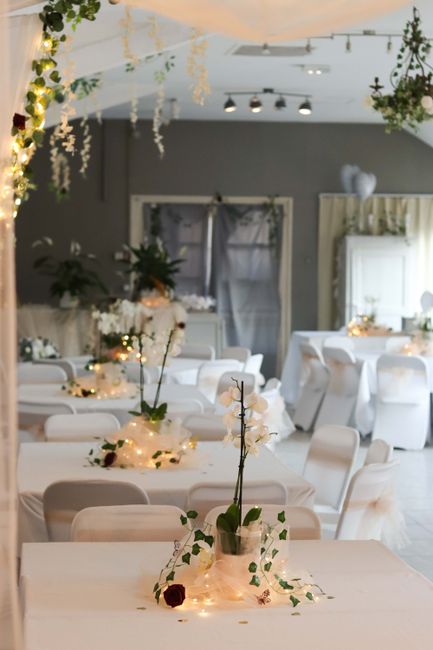
Wedding flowers for Hall Place Belvedere events
Posted on 20/10/2026
If you are planning wedding flowers for Hall Place Belvedere events, you are probably juggling a dozen details at once: the venue look, the ceremony timing, the guest count, and the ever-present question of how to make everything feel beautiful without overcomplicating the day. The good news? Flowers can do a lot of heavy lifting here. They shape the atmosphere, soften the space, and make the photos feel cohesive before anyone has even taken a seat.
Hall Place has that classic event feel where florals need to look polished, but not fussy. In practice, that means choosing wedding arrangements that work with the venue's architecture, the season, and the flow of the day. This guide walks through what matters, how to plan it, and how to avoid the small mistakes that turn into big stress on the morning itself. Truth be told, flowers are often the bit that people remember most clearly afterwards.
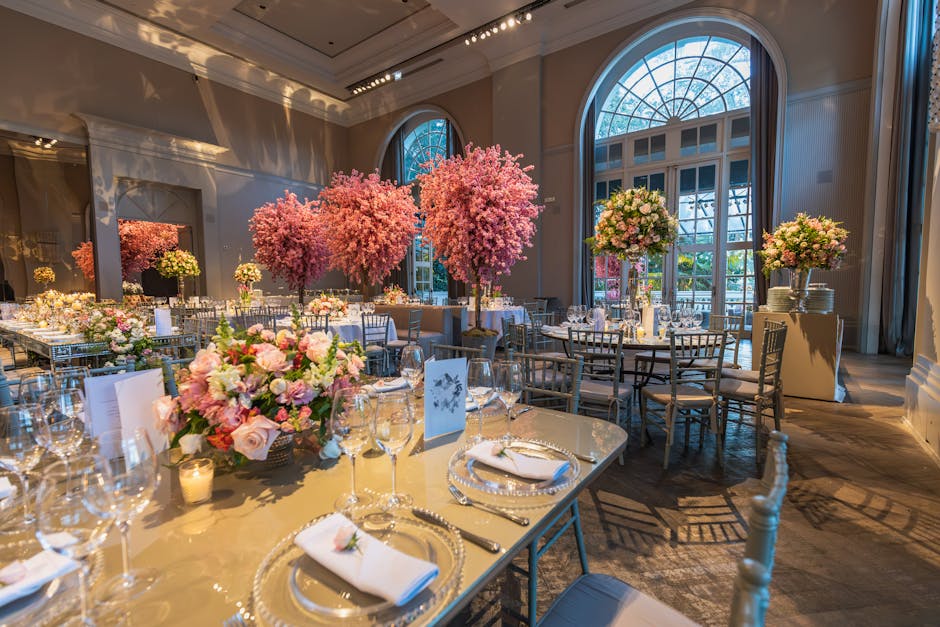
Table of Contents
- Why wedding flowers for Hall Place Belvedere events matter
- How wedding flowers for Hall Place Belvedere events work
- Key benefits and practical advantages
- Who this is for and when it makes sense
- Step-by-step guidance
- Expert tips for better results
- Common mistakes to avoid
- Tools, resources and recommendations
- Law, compliance, standards, or best practice
- Options, methods, or comparison table
- Case study or real-world example
- Practical checklist
- Conclusion
- Frequently Asked Questions
Why Wedding flowers for Hall Place Belvedere events Matters
Wedding flowers are not just decorative extras. For a venue like Hall Place in Belvedere, they help connect the couple's style with the building, the season, and the guest experience. A well-designed flower plan can make an entrance feel more welcoming, a ceremony space feel more intimate, and the dining area feel intentional rather than simply arranged.
That matters because wedding venues often have strong existing character. If the flowers are too bold, they can fight with the room. If they are too minimal, the space can feel underdressed in photos. The sweet spot is usually a balance: floral design that supports the venue instead of competing with it. You notice it most in the smaller moments, actually. A bouquet catching the light during vows. A table arrangement that lifts the room without blocking conversation. A buttonhole that still looks fresh at midnight.
There is also a practical side. Hall Place events often involve a schedule, a setup window, and a specific room layout. Flowers have to arrive in good condition, be placed efficiently, and hold up through the day. That is why planning is not just about choosing pretty stems. It is about making the day run smoothly too.
How Wedding flowers for Hall Place Belvedere events Works
The process usually starts with the couple's vision, then moves into practical decisions about quantity, colour, style, and timing. A florist will normally ask about the ceremony area, reception tables, bridal party flowers, and any extras such as welcome arrangements or floral accents for a cake table. From there, the design is shaped around the venue and the day's logistics.
For Hall Place, the biggest question is often how the flowers will read in the room. Some spaces suit softer, garden-style arrangements, while others benefit from more structured pieces with a clean line and a strong focal bloom. You do not need to know all the flower names to make good decisions. But it helps to understand the basics: bouquet, buttonhole, bridesmaid bouquet, table arrangement, and centrepiece. Those are the building blocks.
If you are ordering through a florist with wedding expertise, the planning is usually straightforward:
- Choose a style direction such as classic, romantic, modern, or seasonal.
- Decide on the key items: bridal bouquet, bridesmaid bouquets, buttonholes, table flowers.
- Confirm the venue access time and delivery requirements.
- Match colours to outfits, decor, and the venue mood.
- Review the final plan and make sure quantities are right.
One small but important point: flowers behave differently by season and by bloom type. A spring bouquet with tulips and delicate textures will feel very different from a summer design with roses and fuller greenery. That is not a problem; it is part of the charm. But it does mean the florist needs enough time to guide you properly.
Key Benefits and Practical Advantages
The right wedding flowers do more than look lovely in the moment. They help the entire day feel coherent. And when they are planned well, they also reduce stress. That is worth a lot on a wedding day, let's face it.
- They create atmosphere: flowers soften formal spaces and add warmth.
- They support the colour palette: even a simple bouquet can bring the whole visual story together.
- They improve photographs: flowers add depth, texture, and focal points for both portraits and room shots.
- They work across the day: bouquets, table pieces, and buttonholes can carry the same style from ceremony to reception.
- They help guests feel the occasion: a well-dressed room feels more thoughtful and more memorable.
There is also flexibility. If you are working to a tighter budget, you can prioritise the areas that matter most: the bridal bouquet, key tables, and the ceremony focal point. If your budget is more generous, you can build the look out with matching bridesmaid bouquets, corsages, aisle accents, and larger centrepieces. Either way, the flowers should feel like a deliberate choice, not a last-minute add-on.
For couples who want a cohesive wedding set, a curated range such as wedding collections can be a useful starting point because it reduces the guesswork around matching styles.
Who This Is For and When It Makes Sense
This topic matters if you are planning a wedding at Hall Place Belvedere and want flowers that suit the venue without creating extra hassle. It is especially useful for couples who are trying to decide whether to go fully bespoke or keep things simpler with a few well-chosen pieces.
You will likely benefit from this approach if you are:
- planning a civil ceremony or reception at Hall Place and want the floral styling to feel elegant and venue-appropriate
- working with a tight schedule and need flowers that can be delivered and installed efficiently
- choosing between classic white flowers, soft pastels, bold seasonal colours, or mixed arrangements
- trying to get the most visual impact without booking unnecessary extras
- organising a wedding from outside Belvedere and need something reliable and easy to coordinate remotely
It also makes sense for couples who care about photos. Flowers show up everywhere in the album, even in the background, and sometimes that background detail is what pulls the whole look together. You might not think much about the registrar table or the reception corner now, but later you will be glad those spaces were considered.
If you are still early in the process, looking through a local florist's general range can help you narrow down the style. For example, a page like florist Belvedere DA17 can help you understand the broader service offering before you refine it for wedding use.
Step-by-Step Guidance
Here is a practical way to plan wedding flowers for Hall Place Belvedere events without getting overwhelmed.
1. Start with the venue mood
Look at the venue first, not the bouquet. Hall Place has its own character, so the flowers should fit that mood. If the room already feels rich and traditional, a restrained palette often works well. If the space is simple and clean, you may want a little more texture or colour to lift it.
2. Decide what matters most
Not every wedding needs every floral item. Start with the essentials:
- bridal bouquet
- bridesmaid bouquets
- buttonholes
- table arrangements
- ceremony or registrar area flowers
From there, add extras only if they genuinely improve the day. That is the honest approach, and it saves budget for things people will actually notice.
3. Choose a colour direction
Pick a colour family before you fall in love with individual blooms. Whites and greens feel timeless. Pink tones can feel romantic and soft. Purples create richness. Mixed colours feel lively and more relaxed. If you are not sure, choose one dominant tone and one supporting tone, then let the florist balance the rest.
4. Match scale to the room
A tiny bouquet can get lost in a grand setting. Equally, a giant centrepiece can dominate a smaller table. The right scale matters. A good florist will judge this for you, but it helps to share table sizes, guest numbers, and any room photos you have.
5. Confirm practical details early
Ask about delivery timing, setup access, and how flowers will be kept fresh before the ceremony. You do not want to be worrying about water tubes and ribbon fixes while guests are arriving. That part should feel invisible.
6. Review substitutions sensibly
Seasonal flowers sometimes need substitutions. That is normal. What matters is whether the substitute keeps the same mood, colour, and style. A good florist will explain this clearly and avoid surprising you on the day.
If you prefer a tailored wedding look, a product such as the I Cherish You wedding collection can help guide a coordinated choice across multiple items.
Expert Tips for Better Results
After years of planning event flowers, one thing becomes obvious: the strongest results usually come from clear brief, realistic expectations, and good timing. The fancy bits matter, yes, but the basics matter more.
- Bring images, not just adjectives. "Romantic" means different things to different people. A photo is quicker and more precise.
- Use fewer colours if the venue is already visually busy. This keeps the room elegant rather than crowded.
- Think about scent carefully. Some couples love a fragrant bouquet; others prefer something softer for a long indoor event.
- Choose hardy flowers for longer days. Roses, chrysanthemums, alstroemeria, and some orchid styles can be useful where longevity matters.
- Keep guest tables practical. Low arrangements are usually better if conversation is important. Nobody wants to peer around a floral hedge.
A small tip that often gets missed: ask how the bouquet will be finished in the hand. Ribbon width, stem length, and bouquet weight all affect comfort during the ceremony. The bouquet is in your hands for more than ten seconds, after all.
For a softer romantic palette, you could explore wedding designs such as Pure Romance or White Wonders, depending on whether you want warmth or a cleaner white-led look.
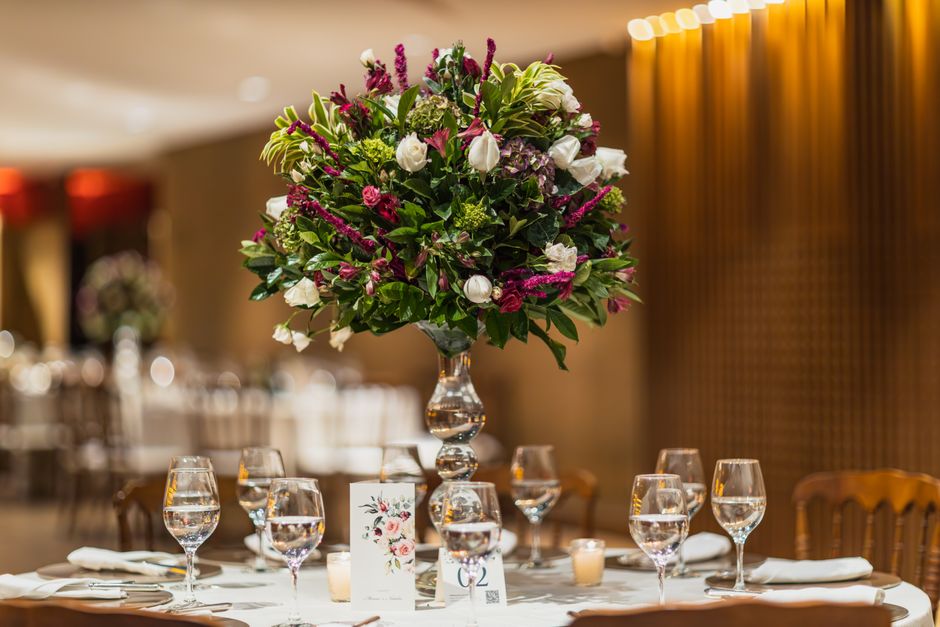
Common Mistakes to Avoid
Most floral problems are avoidable. They usually happen when the plan is too vague, the budget is spread too thin, or the venue details are left too late. That is the short version. The longer version is below.
- Booking too late: good wedding florists get busy, especially during peak season.
- Mixing too many styles: classic, rustic, and tropical all in one wedding can look confused rather than creative.
- Underestimating table space: what looks small in a shop can take over a round table once it is in the room.
- Forgetting the buttonholes and bouquets as a set: small details matter, and mismatched items can make the whole plan feel less coherent.
- Ignoring transport and heat: flowers can suffer in a warm car or a long wait before setup.
- Choosing novelty over structure: a quirky bloom is fine, but the arrangement still needs to hold together as a design.
One common real-world issue is simply too much ambition. Couples often start with a gorgeous reference image, then try to reproduce every element. On paper, it sounds wonderful. In the room, it can feel cluttered. Sometimes the better decision is to keep the arrangement cleaner and let one or two focal pieces do the talking.
If your wedding needs flowers at a different pace or with broader local delivery planning, you may also find flower delivery in Belvedere DA17 useful for general coordination.
Tools, Resources and Recommendations
You do not need specialist software to plan wedding flowers, but a few simple resources make the process easier.
- Venue photos: screenshots of the ceremony and reception spaces help the florist judge scale and style.
- Colour swatches: fabric samples or outfit photos are useful for matching tones properly.
- Guest table layout: this helps determine how many centrepieces you need and what size makes sense.
- Inspiration folder: save images of bouquets, buttonholes, and arrangements you genuinely like.
- Budget range: giving a real range is better than saying "as little as possible," which, to be fair, helps nobody.
For flower types, it helps to think in categories rather than only specific blooms:
- Roses: classic, versatile, and easy to style in romantic or formal looks
- Orchids: elegant and contemporary with a refined finish
- Lisianthus: soft, delicate, and good for gentle wedding palettes
- Hydrangeas: full, plush, and useful where volume is needed
- Alstroemeria: practical and reliable for mixed arrangements
If you want to compare styles quickly, browsing a selection such as bridal bouquets, bridesmaid bouquets, and buttonholes can help you see how the pieces work together before you finalise anything.
Law, Compliance, Standards, or Best Practice
For wedding flowers, there usually is not a long list of legal requirements in the way there might be for catering or public safety. Still, best practice matters. A professional florist should handle flowers cleanly, keep them suitably conditioned, and make sure delivery and setup are carried out responsibly. If a venue like Hall Place has access rules, loading instructions, or timing restrictions, those should be followed carefully.
It is also sensible to think about practical standards:
- Clear order confirmation: make sure the style, quantities, date, and delivery details are written down clearly.
- Substitution transparency: if a flower is unavailable, the replacement should keep the overall look consistent.
- Freshness and handling: flowers should be stored and transported properly so they arrive in good condition.
- Accessibility and venue care: arrangements should not block walkways, exits, or important ceremony access.
- Environmental awareness: if sustainability matters to you, ask about foam-free mechanics, reusable vessels, and lower-waste design choices.
In the UK, many couples also expect written terms around payment, delivery, cancellations, and refunds. That is sensible. Read the florist's terms and conditions, along with their returns and refund information, so you understand what is covered before the flowers are on the van.
If sustainability is a priority, a florist's sustainability page can also give a useful signal about their approach to sourcing and waste.
Options, Methods, or Comparison Table
Different wedding flower approaches suit different budgets, tastes, and venue styles. Here is a simple comparison to help you decide what fits Hall Place best.
| Approach | Best for | Strengths | Watch-outs |
|---|---|---|---|
| Minimal elegant set | Small weddings or tighter budgets | Simple, refined, easier to manage | May feel sparse if the venue is large |
| Classic coordinated set | Most traditional weddings | Balanced, timeless, easy to photograph | Needs careful colour matching |
| Full venue styling | Couples wanting a high-impact look | Strong visual cohesion, memorable finish | Higher cost and more setup time |
| Seasonal design-led look | People happy to follow the florist's guidance | Fresh, natural, often better value | Requires flexibility on specific blooms |
For many Hall Place events, the classic coordinated set is the safest all-rounder. It gives the ceremony, bridal party, and reception a shared visual language without overdoing it. But if your wedding style is very personal, a design-led seasonal approach can feel wonderfully alive. You can almost smell the garden in it. That is a bit poetic, yes, but it is also true.
Case Study or Real-World Example
Imagine a couple planning an early summer wedding at Hall Place Belvedere. They want the room to feel romantic, but not overly formal. Their first instinct is a large mix of colours, several different flower types, and a long wish list of extras. Nice idea, but it risks becoming busy.
Instead, they narrow it down to a cream-and-soft-pink palette with a few green accents. The bridal bouquet is kept rounded and elegant, the bridesmaid bouquets are slightly smaller but visually related, and the buttonholes echo the bouquet without copying it exactly. On the tables, low arrangements keep the conversation flowing. A couple of larger focal pieces are placed where guests first enter the room.
The result is calm and polished. Not plain. Just balanced.
What made it work? Three things:
- The couple picked a clear style direction early.
- The florist knew where the flowers would be seen most.
- They prioritised the ceremony and photos instead of trying to fill every corner.
That kind of planning is often the difference between flowers that look "nice" and flowers that feel like part of the whole day. And yes, the bouquet still looked lovely in the hand, which does matter when you are walking toward a room full of people with a slightly nervous smile.
Practical Checklist
Use this checklist when finalising wedding flowers for Hall Place Belvedere events.
- Have you confirmed the ceremony and reception spaces?
- Do you know which floral items are essential and which are optional?
- Have you chosen a colour palette that works with outfits and venue decor?
- Is the bouquet style comfortable to carry?
- Do the table arrangements suit the table size and guest layout?
- Have you allowed enough time for delivery and setup?
- Have you discussed seasonal substitutions with the florist?
- Are the buttonholes and bridesmaid bouquets visually coordinated?
- Have you checked the florist's payment, cancellation, and refund terms?
- Does the design reflect your personality rather than just a trend?
Quick expert summary: the best wedding flower plans are usually the ones that feel calm, coordinated, and realistic. Keep the focus on the spaces people will actually experience closely, and let the flowers support the day rather than dominate it.
Conclusion
Wedding flowers for Hall Place Belvedere events work best when they are chosen with the venue, the season, and the day's flow in mind. That sounds simple, but it is where the strongest results come from. A bouquet, a few carefully designed arrangements, and the right buttonholes can transform a room without making the planning stressful.
If you remember one thing, make it this: start with the feeling you want guests to have, then build the flowers around that. Warm, elegant, fresh, relaxed, classic. Once that is clear, the rest gets easier. Not effortless, perhaps, but definitely easier.
And on the day itself, when the flowers are in place and the room finally feels like yours, you will know it was worth the thought.
Get a free quote today and see how much you can save.
Frequently Asked Questions
What flowers work best for a wedding at Hall Place Belvedere?
Roses, lisianthus, orchids, hydrangeas, alstroemeria, and seasonal mixed blooms all work well, depending on the style you want. For a classic venue feel, many couples choose whites, creams, and soft pinks. If you want something more contemporary, cleaner shapes and fewer colours usually look stronger.
How far in advance should I book wedding flowers?
As early as you can, especially for spring and summer dates. The earlier you book, the easier it is to reserve your preferred florist and refine the design calmly. Leaving it late can still be possible, but choice narrows fast.
Can I get a matching bridal bouquet and bridesmaid bouquets?
Yes, and that is usually one of the easiest ways to make the whole wedding look cohesive. The bridesmaid bouquets are often smaller or slightly simpler versions of the bridal bouquet, so everything feels connected without being identical.
How many table arrangements do I need?
That depends on the number of guest tables, the table shape, and how much visual impact you want. A florist can usually help you judge whether you need arrangements on every table or only on key feature tables.
What if the flowers I want are out of season?
A good florist will suggest seasonal alternatives that keep the same mood and colour story. You may not get the exact bloom you first imagined, but you can often achieve a very similar effect with a better seasonal choice.
Are white wedding flowers always the safest option?
White is timeless and elegant, yes, but it is not the only safe option. Soft pinks, creams, blush tones, and gentle mixed palettes can be just as classic. The right choice depends on your venue and personal style.
Should the flowers match the bridesmaids exactly?
Not necessarily. Matching too closely can look flat. It often works better when the bouquets share colour and texture but vary a little in size or shape, so the overall look feels balanced.
How do I keep wedding flowers looking fresh all day?
Good conditioning, proper transport, and sensible timing all help. Your florist should advise on setup and handling. For bouquets and buttonholes, keeping them cool and out of direct sun before the ceremony is usually helpful.
Can I use wedding flowers for other parts of the celebration?
Yes. Some flowers can be reused between the ceremony and reception, which can be a smart way to stretch the budget. Ask your florist which pieces are best for moving from one space to another without damage.
Is it worth choosing a wedding collection rather than individual items?
Often, yes. A collection can make styling much easier because the pieces are already designed to work together. That can reduce decision fatigue and give you a more consistent result, especially if you want a tidy, elegant look.
What should I ask before confirming my wedding flower order?
Ask about delivery timing, setup, substitutions, payment terms, and what happens if plans change. It is also worth checking whether the florist can adapt the design if your guest numbers or room layout shift. Better to ask now than puzzle over it later.
Can I keep my flower budget under control without the wedding looking bare?
Absolutely. Focus on the most visible pieces first: the bridal bouquet, key tables, and ceremony focal points. Then add only the extras that genuinely improve the atmosphere. A simpler plan, done well, often looks better than an overfull one.